

The Spanish government has opted to limit the annual increase in airport fees to 0.33% from 2027 to 2031, significantly lower than the 3.82% proposed by Aena, the airport management company. This decision, affecting fees charged to airlines for using airport facilities, has been welcomed by airlines and the tourism sector, particularly in regions heavily reliant on air travel.
The Council of Ministers approved the third Airport Regulation Document (DORA III), which will govern the next five years. The average fee will rise by 1.65% over this period, with initial increases starting in March 2027. This effectively keeps the fees nearly unchanged from the current rate of 11.02 euros per passenger.
The proposal from Aena, which is partially privately owned, was based on a projected traffic growth of 1.3%. However, airlines argued that this underestimated passenger growth and overestimated operational costs and required profitability.
Canary Islands airports, crucial for local mobility and tourism, were particularly opposed to the proposed fee hike. The regional government had demanded a freeze on fees, arguing against additional financial burdens on these vital infrastructures.
The central government’s decision aligns more closely with the recommendations of the National Commission of Markets and Competition (CNMC), which suggested a 0.59% annual decrease after revising traffic growth projections and reducing operational cost estimates.
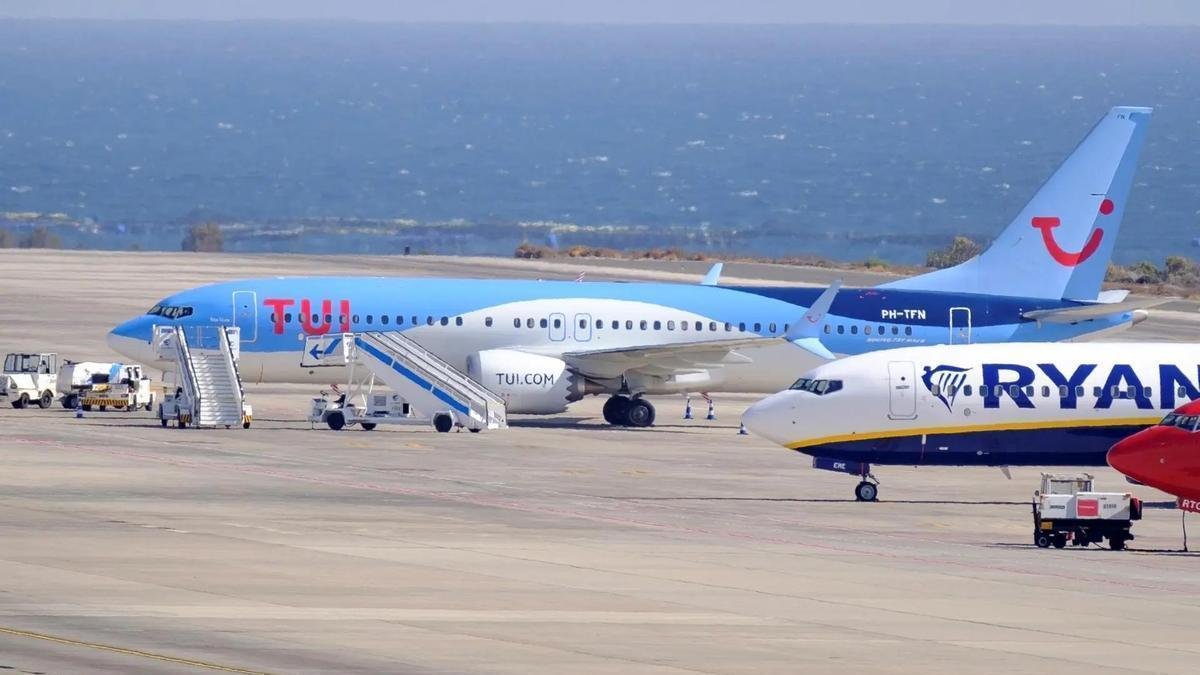
While the Association of Airlines (ALA) appreciates the government’s restraint, it regrets that the requested fee reduction was not implemented. Ryanair, a vocal critic during the negotiations, also supports the decision but views it as a missed opportunity to boost traffic, tourism, and employment through lower fees.
In the Canary Islands, the debate extends beyond fees. The regional government continues to push for involvement in the management of the islands’ airports, seeking to fully implement the autonomy statute.