

In August, the Canary Islands experienced a 3.8% rise in prices compared to the previous year, largely due to increased fuel costs. This is slightly below the national average increase of 4.2%.
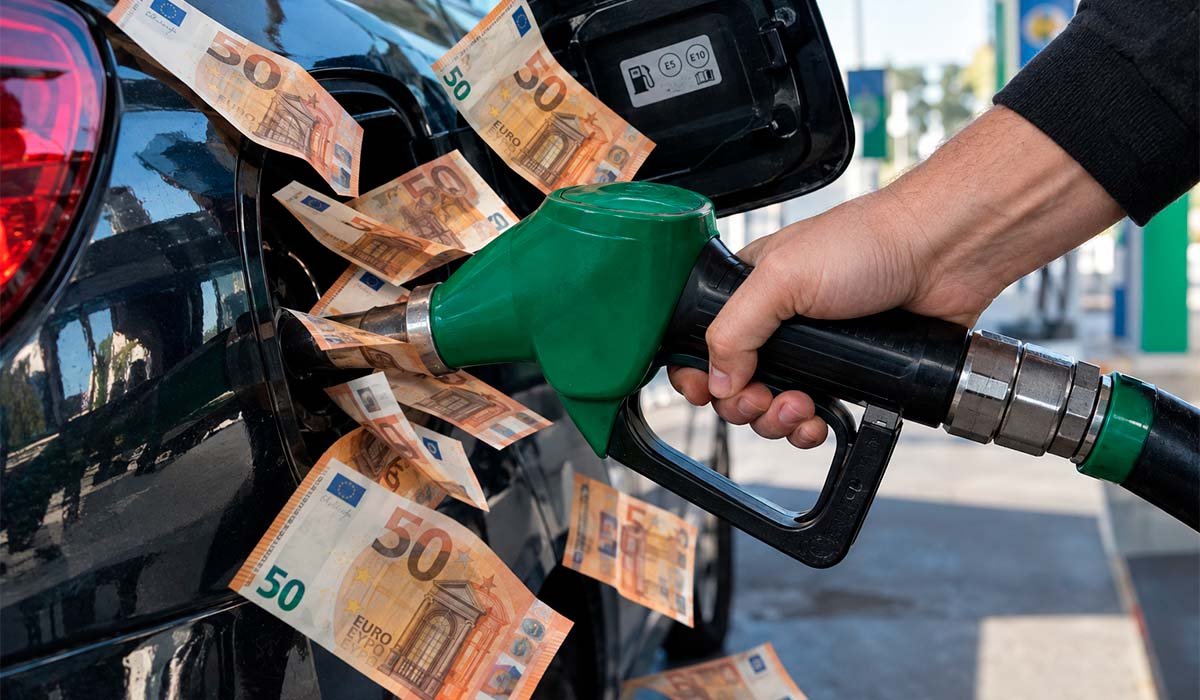
Fuel prices in the Canary Islands have surged by 28.7% since last August, the highest increase in Spain, where the average rise is 21.3%. Despite reduced taxes, the region has seen less relief in fuel prices compared to the mainland, where VAT on fuel has been cut from 21% to 10% to mitigate the effects of the Iran conflict.
Currently, filling a tank costs around 90 euros, up from 60 euros a year ago. September has shown no signs of improvement, with diesel and gasoline prices continuing to climb.
This fuel price hike has made transportation the most inflationary component of the Consumer Price Index in the Canary Islands, with personal transport costs rising by 13% over the past year.
Beyond fuel, the general price increase in the archipelago also affects hotels and restaurants, which have seen a 5.2% rise during the peak summer season, along with alcoholic beverages and tobacco, which are up by 4%. Clothing and footwear, however, have seen a 3.5% decrease due to seasonal sales.
In the basic shopping basket, eggs have become 10% more expensive compared to last August, while beef and lamb have risen by 7.6% and 7.9% respectively. Potatoes and their products have increased by 7%, and fresh and frozen fish by 5.8%. Conversely, bread and cereals have decreased by 1.2%, coffee and cocoa by 3.1%, and legumes and vegetables by 6.1% over the past year.
Outside the supermarket, energy prices have also risen, with electricity up by 7.4% since last August.
The Tenerife Chamber of Commerce has expressed concern over the impact of fuel prices on businesses and families in the Canary Islands, warning that if the trend continues, the rising costs of energy and transportation could further affect goods and services. Santiago Sesé, the president, highlighted the potential for these costs to become embedded in the economy.
The Tenerife CEOE remains hopeful for inflation to return to around 2%, but acknowledges the potential for ongoing volatility. The organization warns that the real risk lies in the persistent incorporation of energy and food price increases into services, wages, expectations, and financing.