

The Canary Islands government has taken steps to enhance coordination with consular representatives to better manage emergencies involving foreign nationals. This initiative aims to ensure effective communication and response during incidents that may affect international visitors and residents.
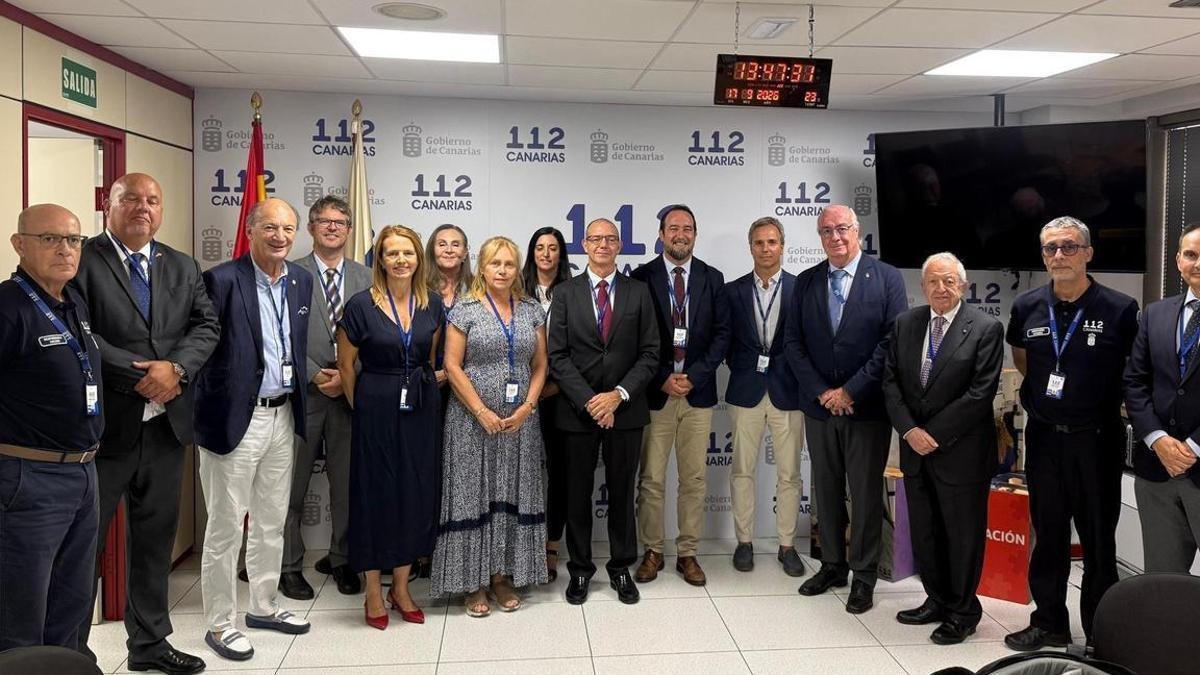
Key figures from the Canary Islands’ emergency services, including the Deputy Minister of Emergencies and Water, Marcos Lorenzo, and the Director General of Emergencies, Fernando Figuereo, met with consular representatives from various countries. The meeting focused on improving communication and coordination in emergencies, particularly those involving foreign nationals.
Marcos Lorenzo emphasized the importance of maintaining open communication with consular offices to enhance emergency response. He noted that the Canary Islands host millions of tourists annually and have a significant foreign resident population, making efficient coordination crucial.
The meeting addressed communication procedures within Civil Protection, focusing on the activation and management of emergency plans. It also highlighted the role of CECOES 112, the emergency service capable of handling calls in multiple languages, ensuring language is not a barrier in critical situations.
Fernando Figuereo highlighted that CECOES 112 can provide assistance in five languages directly—Spanish, English, German, Italian, and French—and through a multilingual platform in 50 additional languages. This capability is vital for the diverse population and visitors in the Canary Islands.
From January to August, CECOES 112 received 13,867 calls in languages other than Spanish, with English being the most common, followed by German, Italian, and French. This multilingual approach sets the Canary Islands apart from other emergency services in Spain and Europe.