


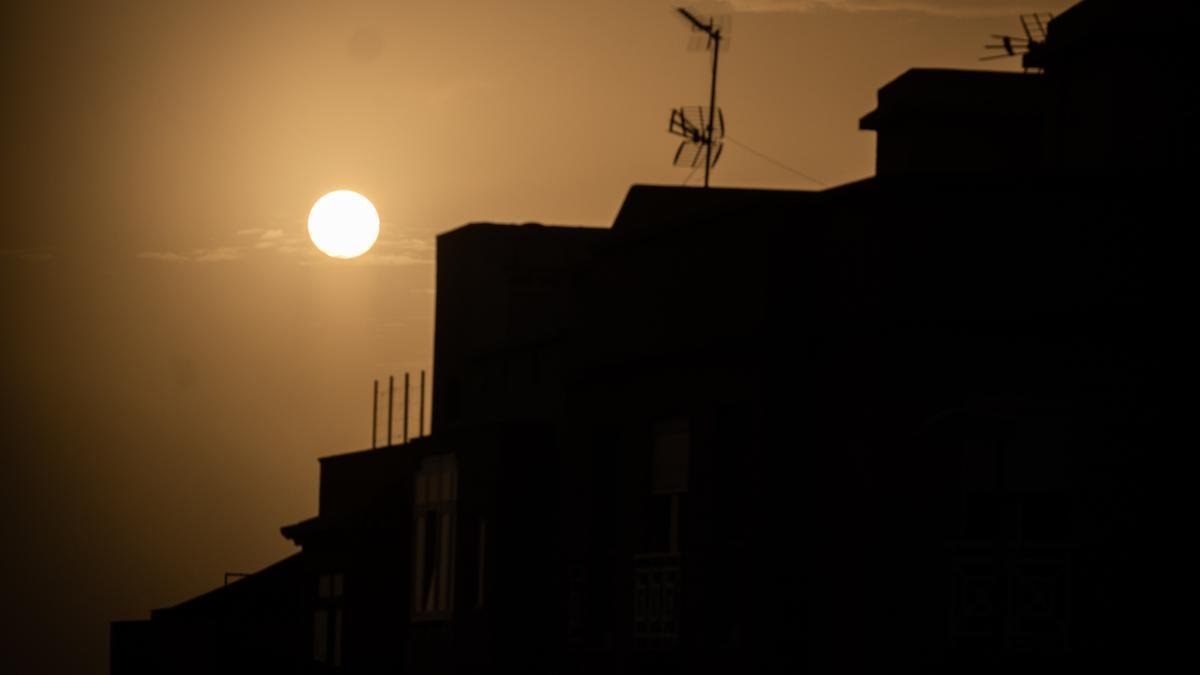
The Canary Islands have recently endured a sweltering night marked by unusually high temperatures, disrupting the sleep of many residents. In the early hours of Tuesday, September 15, 2026, temperatures remained well above 26 to 28 degrees Celsius across large parts of the islands, with some areas even exceeding 30 degrees.
The eastern islands and southern-facing mid and low altitudes were particularly affected. Official data recorded at 01:24 UTC showed extreme temperatures in Gran Canaria, with peaks of 31 to 33 degrees in several southern municipalities. Lanzarote and Fuerteventura faced similar conditions, with thermometers consistently reading between 28 and 31 degrees during the night.
In Tenerife, the southern regions and parts of Anaga also experienced stifling heat, with temperatures surpassing 29 to 30 degrees in mid-altitude areas. The combination of high temperatures and a lack of cooling breezes resulted in a persistent feeling of discomfort in many populated areas, with cooler conditions only found in the highlands and mountainous regions.
This phenomenon of extreme nighttime temperatures prevents the natural cooling of the ground and homes, making it difficult for thousands of residents to sleep. The situation is attributed to the arrival of a dry and warm air mass over the archipelago, keeping meteorological services on alert and prolonging the oppressive heat across the islands.