

The municipality of Santa Cruz de Tenerife has commenced its second phase of municipal tax collection, which will run until November 23. This period focuses on the Economic Activities Tax and a 50% increased urban waste fee, following the introduction of a new waste tax.
For private residences, waste fees are payable upon receipt of the liquidation notice, which will be delivered starting September 20, either by postal mail or electronically.
The council postponed the collection of waste fees for private individuals to help citizens manage the tax increase. Despite initial communication errors from the finance department, voluntary payments have already generated approximately six million euros by September 1, according to municipal control committee reports.
The council member, José Alberto Díaz Estébanez, explained that around 35.37% of the residential and non-residential registry has paid the waste fee. He noted that the notification error arose from the need to configure the system from scratch, involving significant technical and legal work. The aim was to provide taxpayers with essential information, including the liable party, address, cadastral reference, amount, tariff type, and applicable coefficients, enabling early payment.
An error in the software used for registry generation led to notifications being sent instead of informative communications. Upon identifying the issue, the municipality ceased notifications and initiated accessible individual information communications.
Revenue from the waste tax in Santa Cruz is expected to increase by approximately 60%, with projected earnings of 15.7 million euros due to the tax hike.
This tax adjustment aligns with the national waste law 7/2022, requiring municipalities to update their ordinances. The new regulation alters the fee calculation system, incorporating factors like property value and the number of registered residents, causing the fee to vary based on property characteristics.
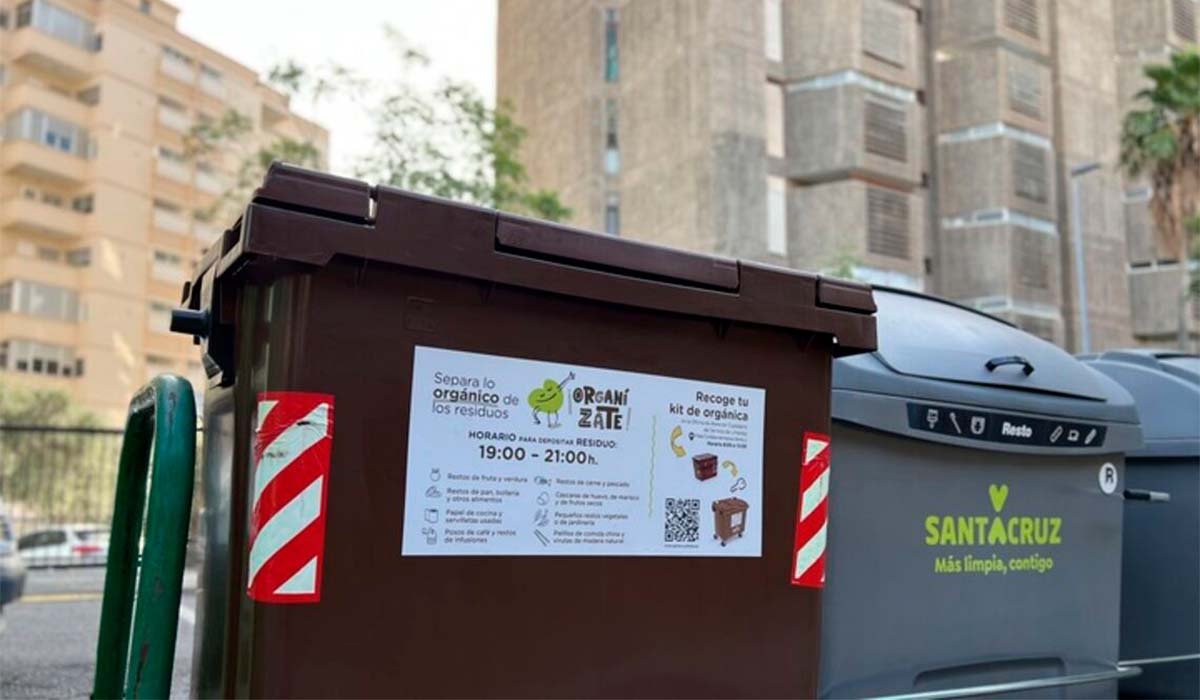
To mitigate the impact of the new regulation, the municipality plans citizen discounts based on family socioeconomic status, proximity to waste containers, use of brown containers, and property usage.