

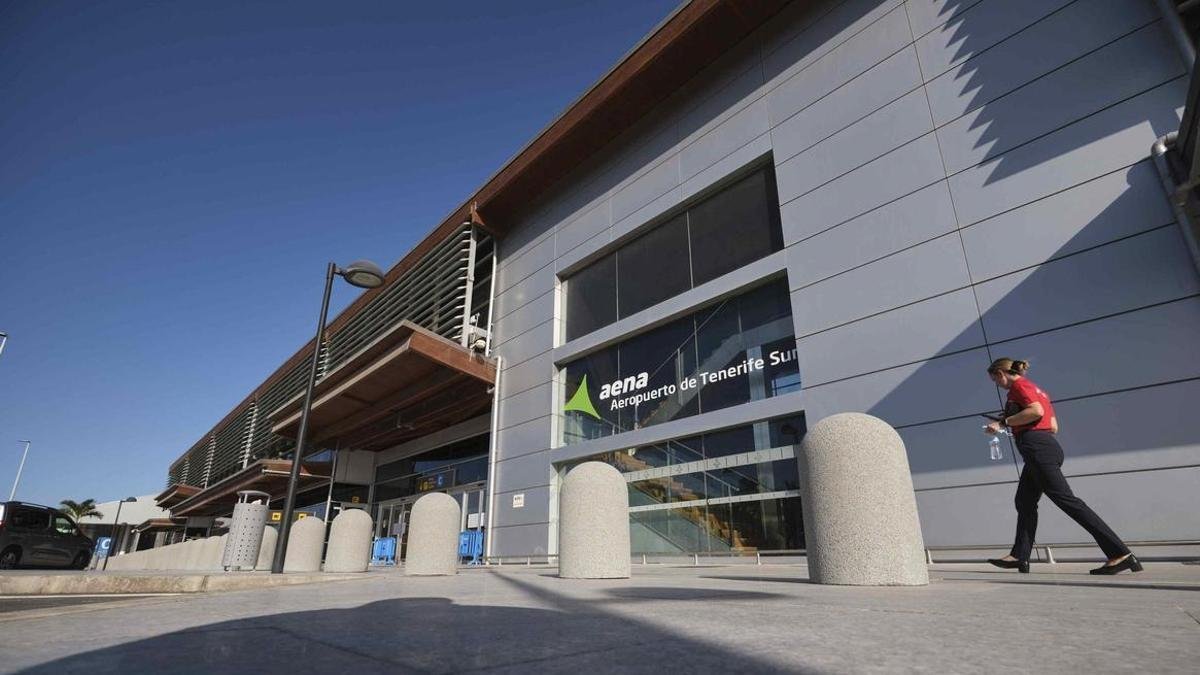
The Spanish tax authority is investigating whether Aena received more state aid than allowed under EU regulations for its investments in the Canary Islands. This inquiry covers the years 2020, 2021, and 2022, prompting Aena to set aside over 14.6 million euros in case it needs to repay some of the incentives.
Aena acknowledges a potential error in its financial statements, admitting that while it adhered to national laws, the calculation of aid under EU rules might have exceeded the maximum intensity permitted by Brussels. This has led the company to provision the amount in its accounts.
The investigation was triggered by a European Commission request to monitor the state aid regime SA.101888, which includes incentives under the Economic and Fiscal Regime (REF) related to investments. Following this, the Spanish tax agency requested information from Aena about its investments and subsidies in the Canary Islands for 2022, later extending the review to 2020 and 2021.
The issue is not an independent inspection by the tax authority but rather a response to EU scrutiny of the aid regime. The investigation aims to determine if Aena’s public incentives under the REF exceeded EU limits.
Public investment aid, such as the REF, must be calculated for its intensity, meaning the percentage of investment costs covered by deductions, grants, or other fiscal incentives. When multiple aids are involved, they must be considered collectively, and their sum must not surpass EU-authorized limits.
Aena’s annual accounts for 2025 reveal that the tax agency’s procedure affects deductions and fiscal aids received in previous years for investments in the Canary Islands. The company has set aside 14.6 million euros to comply with potential tax regularization. Aena’s fiscal benefits from 2020 to 2022 amounted to approximately 65.5 million euros in deductions for fixed asset investments in the Canary Islands.