

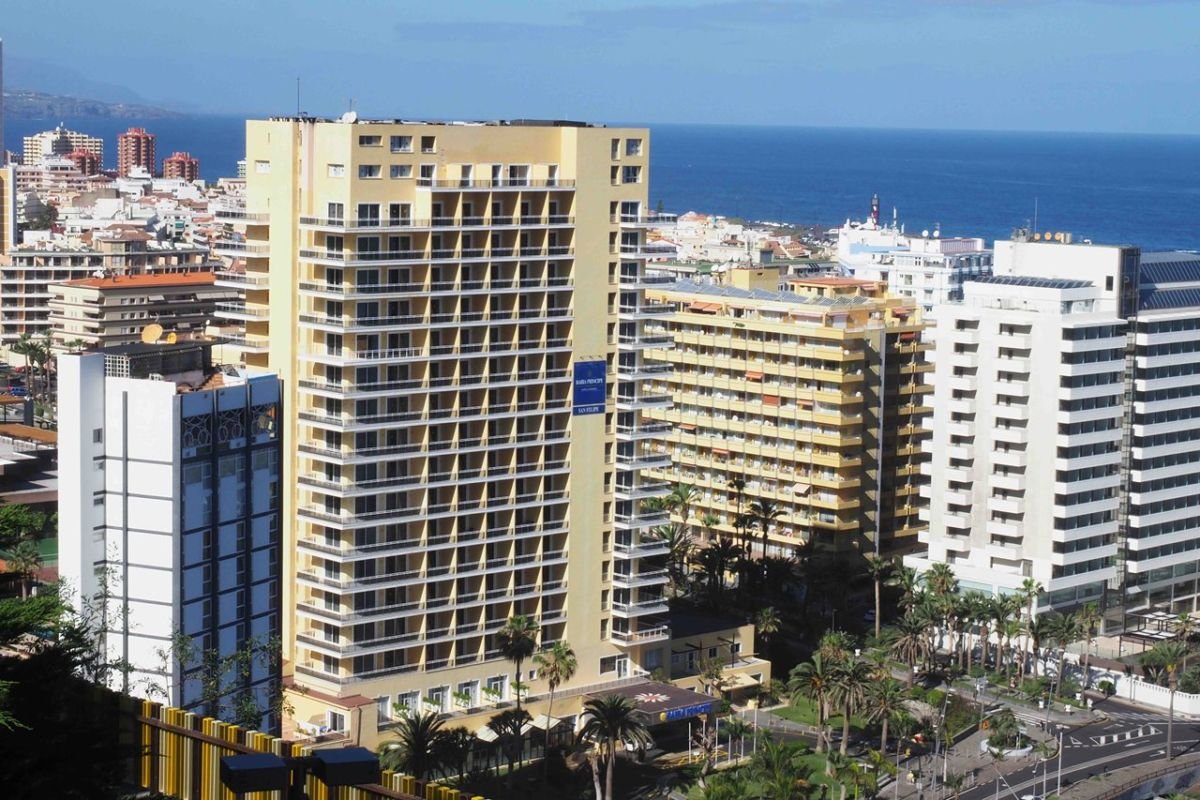
Concerns Over Non-Hotel Tourism Sector in Canary Islands
Tourism leaders in the Canary Islands warn that widespread liberalization of property use in tourist areas threatens the future of the non-hotel sector.
Tourism associations in the Canary Islands express concern that the broad liberalization of property use in tourist areas could jeopardize the non-hotel sector’s future. They support adapting regulations to current realities while maintaining established residential uses and preserving tourism activities, employment, and destination quality.
Business groups stress the need to address longstanding issues in tourist complexes and adapt regulations to new market realities. However, they caution against indiscriminate liberalization that could undermine the tourism nature of these establishments.
Ashotel, FEHT, Asofuer, and Asolan emphasize that any reform must ensure that costs, services, and obligations necessary for maintaining quality tourist establishments are collectively managed. They argue that maintaining common areas, renewing facilities, and providing visitor services require unified efforts to avoid fragmentation of interests within complexes.
Studies from the University of Las Palmas de Gran Canaria highlight the economic impact of residentializing tourist properties, estimating annual revenue losses of 3.586 billion euros, tax revenue declines of 943 million euros, and 88,000 job losses. The associations warn that mixed-use developments could lead to increased fragmentation, making it challenging to sustain services and quality.
For buyers and investors in Spain, particularly in the Canary Islands, it's crucial to understand the potential impact of property use changes on tourism. While regulatory updates may offer new opportunities, they could also affect the quality and sustainability of tourist areas, influencing property values and investment returns.
House Tenerife