


The housing crisis in Spain is reshaping the real estate market and the plans of an entire generation. For many under 40, buying an apartment in cities like Madrid, Barcelona, or Malaga is nearly impossible, and renting independently consumes a significant portion of their income.
Data shows that young individuals living independently spend an average of 98.7% of their salary on housing. Only 14.5% of Spaniards aged 16 to 29 live independently, with the average age of leaving the parental home reaching 30, compared to the EU average of 26.
By 2025, 44.3% of Spaniards aged 26 to 34 are expected to still live with their parents. Meanwhile, housing prices have surged, with purchase costs up 14.7% and rents up 10.9% over the past year, while real incomes for those under 35 have grown much slower.
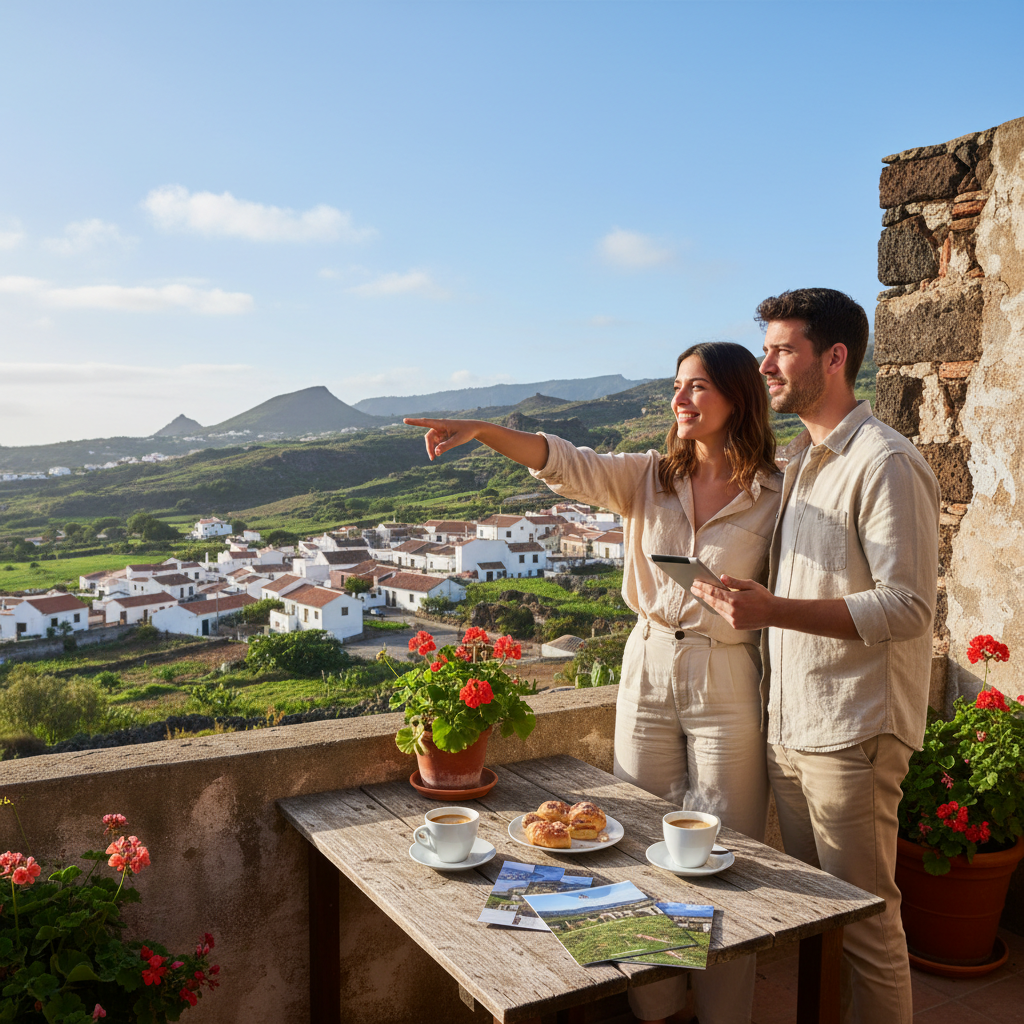
In response, some young Spaniards are considering a move to smaller towns, a shift from the traditional urban migration. According to Fotocasa Research, 13% of home seekers in Spain plan to relocate to municipalities with fewer than 10,000 residents in the coming months.
This trend is not driven solely by retirees seeking tranquility. The average age of these potential rural residents is about 35, with monthly incomes ranging from €1,000 to €3,000. Many still live with their parents.
Among those looking to move, 44% currently reside in cities with populations over 50,000, not provincial capitals. The age distribution shows that 23% are aged 18 to 24, and 38% are aged 25 to 34, groups traditionally expected to drive demand for urban housing.
Maria Matos, Director of Research at Fotocasa, notes that the image of rural Spain is changing. Young, working-age individuals are increasingly considering small towns as viable options for building their professional and family lives.
Among potential new residents of small municipalities, 31% live with a partner and children, while 30% live with their parents. This shift is not just about a desire for a quieter life; for many, it’s a practical solution to the housing crisis, offering affordable property and a wider selection of homes.
Thus, the so-called ’empty Spain’ (España vaciada), long suffering from population decline, could unexpectedly become a solution to the housing challenges faced by young Spaniards.