

The Canary Islands government views the European Commission’s new strategy for outermost regions as a positive step forward. However, they emphasize that this shift in approach must also be reflected in the upcoming EU budget. During the negotiations for the Multiannual Financial Framework 2028-2034, the government will advocate for specific and adequate funding for these territories, seeking support from other EU member states with outermost regions.
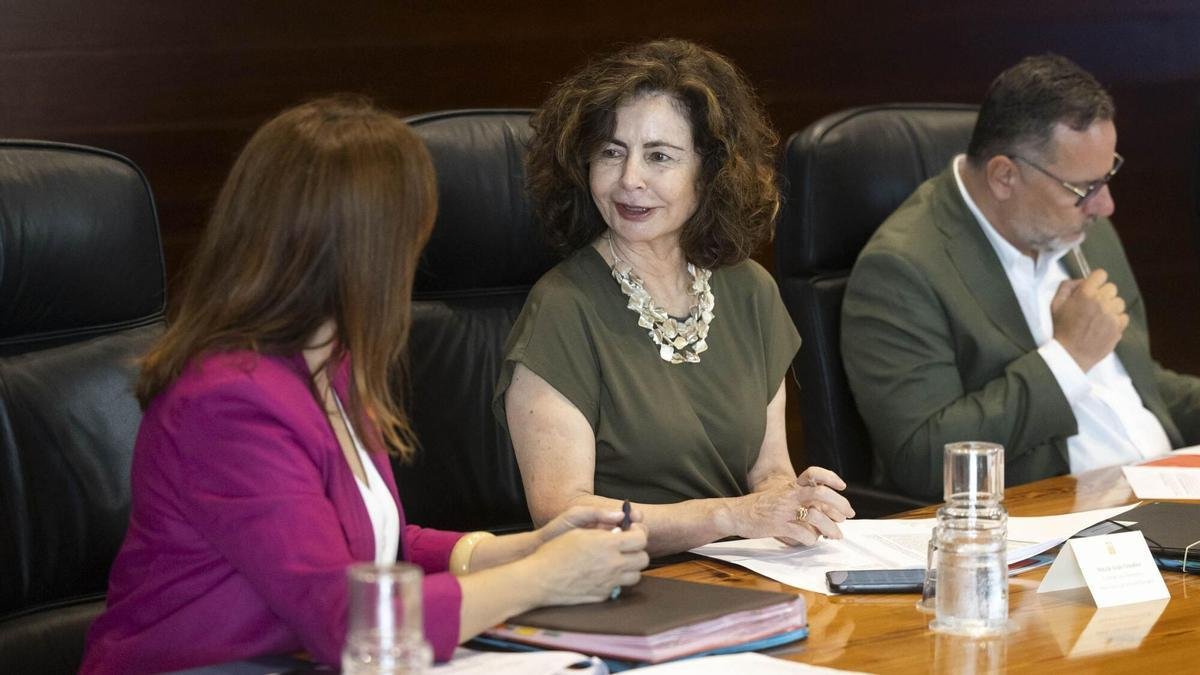
For the first time, a specific regulatory package has been approved to adapt EU legislation to the unique conditions of these regions. Additionally, there is a commitment to more systematically apply Article 349 of the Treaty on the Functioning of the European Union, which allows for tailored measures considering the structural challenges faced by these areas. Following a government meeting, Nieves Lady Barreto, the Minister of Presidency, Public Administration, Justice, and Security, highlighted the strategic value these regions bring to the EU, beyond their geographical and size-related disadvantages.
The real test now lies in the budget. The Canary Islands government stresses that the new strategy requires resources to be effective, with the Multiannual Financial Framework 2028-2034 negotiations being the next major focus. Barreto stated, “We will continue working to ensure there is a specific financial allocation for the outermost regions.” The concern is to ensure that the differentiated treatment recognized for these territories translates into dedicated economic resources, rather than being centralized within member states.
This advocacy will be reiterated in upcoming meetings between these regions and their respective countries to present a united front to European institutions. For the Canary Islands, the final design of the EU budget will determine how the new political recognition of outermost regions translates into actual policies and resources.