

Tenerife’s Water Management Evolution: Wastewater as a Resource
Tenerife is revolutionizing its approach to wastewater, aiming for nearly full treatment capacity by 2026. This shift supports sustainable agriculture and enhances property appeal.
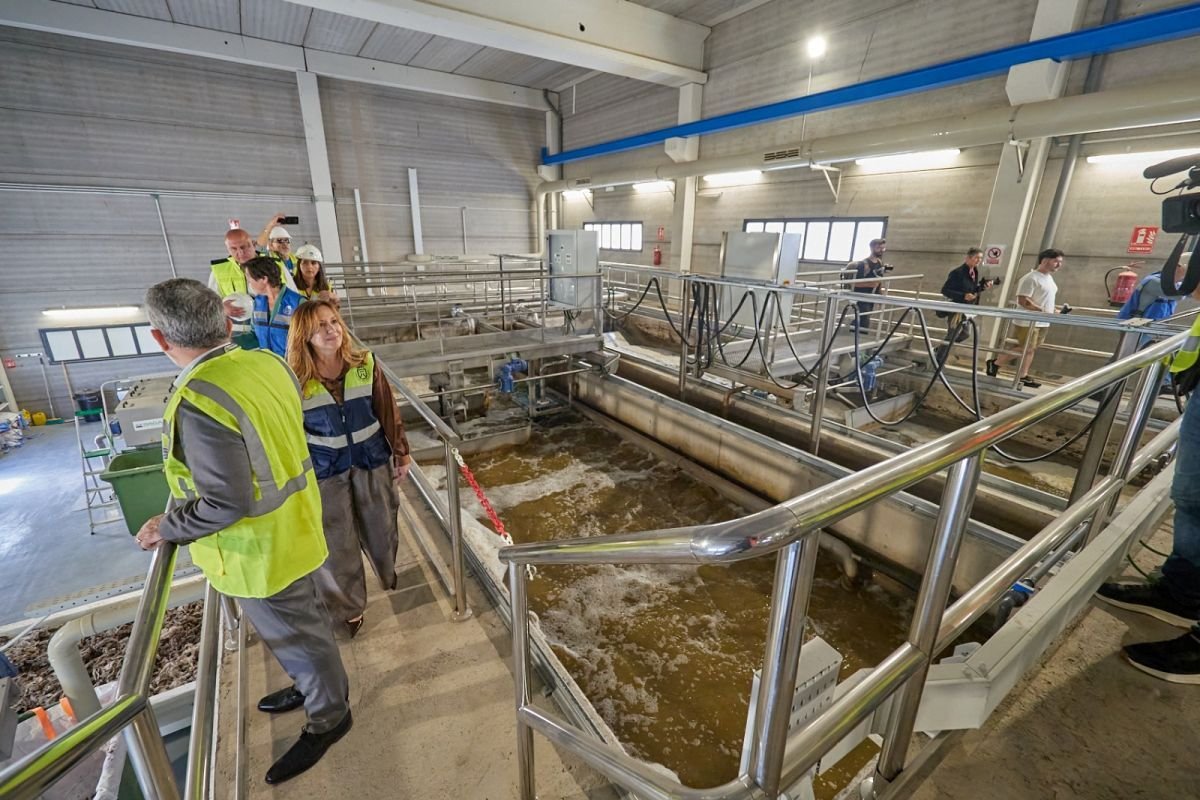
Tenerife is making strides in transforming its wastewater management system. In 2023, the island’s facilities could process only 52% of its wastewater. With ongoing and planned projects, this capability is set to increase to 86%, and eventually reach 97% once the Metropolitan Area and systems connecting Arona, Este, and San Miguel are finalized.
These developments in Tenerife’s water infrastructure are pivotal for potential homebuyers. A dependable water system is essential, particularly for those interested in farming. We encourage clients to weigh the long-term advantages of these infrastructure upgrades when selecting a location.
At a recent council session, Rosa Dávila, leading the Cabildo de Tenerife, emphasized this significant progress. The focus has evolved from basic treatment and disposal to a holistic approach: capturing, purifying, regenerating, and returning water to the land as a valuable asset.
For newcomers to Tenerife, this sustainable initiative is a positive sign. It not only boosts the island’s environmental standing but also supports farming, making rural areas more appealing for relocation.
By 2026, the island’s treatment capacity will expand by 60,000 cubic meters per day, marking a 65% increase. More importantly, regeneration capability will rise by 63,000 cubic meters daily, a 78% boost, resulting in an additional 23 million cubic meters annually.
These figures reflect a strong commitment to sustainability that could positively affect property values. We advise prospective buyers to consider areas benefiting from these infrastructure improvements, as they may offer better long-term returns.
The Cabildo’s strategy involves five key steps: capture, transport, treat, regenerate, and reuse. This comprehensive plan requires coordination among municipal and regional entities to ensure the entire system operates efficiently.
Local governments manage municipal networks, while the Cabildo, along with other governmental bodies, oversees larger infrastructure. This coordinated effort is crucial for minimizing ocean discharges and maximizing water reuse.